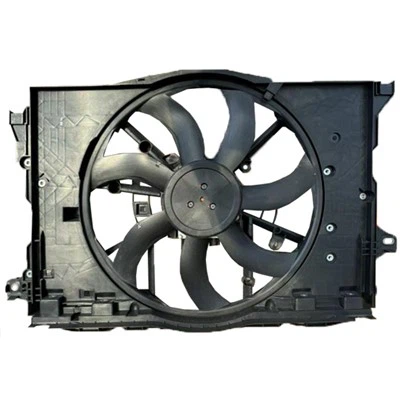
Factory strength
Our company has two injection molding workshops, two motor assembly workshops and one assembly workshop.The blades, motors and shrouds of our products are all made by ourselves.At present, our production capacity can reach 1000 pieces per day.
Our Certificate
IATF16949
Production Market
Our products have been exported to more than 40 countries around the world, and we have established pleasant and stable cooperative relationships with many customers.
Competitive Price
We offer competitive pricing and are an attractive option for businesses looking to save money without sacrificing quality.
What is Radiator Fan For Lexus
Radiator Fan For Lexus (or fans) pulls cooling air through the car's radiator. Positioned between the radiator and engine, cooling fans are particularly helpful when the car is stationary or moving at speeds too slow to force air through the grille. The advent of electric cooling fans, which turn on and off as needed, proved an improvement over engine-driven fans that slow down exactly when they're needed most. A failed cooling fan can result in an engine overheating. These fans sometimes double as a cooling source for the cabin air conditioning's condenser.
-
![Radiator Fan For LEXUS LC500H 2018-2023 1636031530]() Radiator Fan For LEXUS LC500H 2018-2023 1636031530The electronic fan accelerates the cooling of the radiator through forced airflow, and is linked with the engine coolant circulation system to maintain the water temperature in the ideal range of
Radiator Fan For LEXUS LC500H 2018-2023 1636031530The electronic fan accelerates the cooling of the radiator through forced airflow, and is linked with the engine coolant circulation system to maintain the water temperature in the ideal range of -
![Radiator Fan For Lexu LM500 2020-2021 2.5L 16363-31510]() Radiator Fan For Lexu LM500 2020-2021 2.5L 16363-31510Application: Automotive Cooling System. Product Name: Radiator Cooling Fan. Brand Name: Neutral. OEM: 16363-31510
Radiator Fan For Lexu LM500 2020-2021 2.5L 16363-31510Application: Automotive Cooling System. Product Name: Radiator Cooling Fan. Brand Name: Neutral. OEM: 16363-31510 -
![Radiator Fan For Lexu IS200/300 2.0L/5.0L 2016-2020 16711-36240]() Radiator Fan For Lexu IS200/300 2.0L/5.0L 2016-2020 16711-36240Application: Automotive Cooling System. Product Name: Radiator Cooling Fan. Brand Name: Neutral. OEM: 16711-36240
Radiator Fan For Lexu IS200/300 2.0L/5.0L 2016-2020 16711-36240Application: Automotive Cooling System. Product Name: Radiator Cooling Fan. Brand Name: Neutral. OEM: 16711-36240 -
![Radiator Fan For Lexu IS250 2006-2013 1636131090 1636131100 1636131340 1636131350 1636150120 1636331040 1636374340 1671131320 Dorman:620-577"]() Radiator Fan For Lexu IS250 2006-2013 1636131090 1636131100 1636131340 1636131350 16361...Company Introduction Danyang Hongjiang Electric Co.,ltd, which was originally built in 1995, is a specialized company in the development, manufacture and distribution of various heater assemblies and
Radiator Fan For Lexu IS250 2006-2013 1636131090 1636131100 1636131340 1636131350 16361...Company Introduction Danyang Hongjiang Electric Co.,ltd, which was originally built in 1995, is a specialized company in the development, manufacture and distribution of various heater assemblies and -
![Radiator Fan For LEXU IS220D 2007 16363-26070 1636326060 168000-4960 422750-1620]() Radiator Fan For LEXU IS220D 2007 16363-26070 1636326060 168000-4960 422750-1620Each client we've an expert employees to contact, they will be accountable for the process of orders and after-sales service. What does one got to raise you'll be able to directly contact the
Radiator Fan For LEXU IS220D 2007 16363-26070 1636326060 168000-4960 422750-1620Each client we've an expert employees to contact, they will be accountable for the process of orders and after-sales service. What does one got to raise you'll be able to directly contact the -
![Radiator Fan For Lexu IS350 2006-2008 M:16363-28290(RAD) 16363-31040(A/C) S:16711-31330 B:16361-50120(RAD) 16361-1100(AC) S:1122"]() Radiator Fan For Lexu IS350 2006-2008 M:16363-28290(RAD) 16363-31040(A/C) S:16711-31330...Application: Automotive Cooling System. Product Name: Radiator Cooling Fan. Brand Name: Neutral. Material: PA66
Radiator Fan For Lexu IS350 2006-2008 M:16363-28290(RAD) 16363-31040(A/C) S:16711-31330...Application: Automotive Cooling System. Product Name: Radiator Cooling Fan. Brand Name: Neutral. Material: PA66 -
![Radiator Fan For LEXU IS300 3.0L 2001-2005 1636346050 1636346120]() Radiator Fan For LEXU IS300 3.0L 2001-2005 1636346050 16363461201.We ar the manufacturer and that we will turn out as long as you would like.. 2.We have long expertise in counter trade cooperation and ar ready to handle numerous emergencies.. 3.We can perform
Radiator Fan For LEXU IS300 3.0L 2001-2005 1636346050 16363461201.We ar the manufacturer and that we will turn out as long as you would like.. 2.We have long expertise in counter trade cooperation and ar ready to handle numerous emergencies.. 3.We can perform -
![Radiator Fan For LX GS460 2008-2011 1636138070 DORMAN:620-583]() Radiator Fan For LX GS460 2008-2011 1636138070 DORMAN:620-5831.We square measure the manufacturer and that we will manufacture as long as you wish.. 2.We have long expertise in counter trade cooperation and square measure able to handle varied emergencies..
Radiator Fan For LX GS460 2008-2011 1636138070 DORMAN:620-5831.We square measure the manufacturer and that we will manufacture as long as you wish.. 2.We have long expertise in counter trade cooperation and square measure able to handle varied emergencies.. -
![Radiator Fan For LEXU GS300/GS400/GS430 3.0L/4.0L/4.3L 1998-2005 1636146080 DORMAN:620557]() Radiator Fan For LEXU GS300/GS400/GS430 3.0L/4.0L/4.3L 1998-2005 1636146080 DORMAN:6205571.We created the planning in step with the OE,meet the demand of aftermarket. 2.Our merchandise are tested by the market and meet the necessities of most markets. 3.Each of our parts is factory-made
Radiator Fan For LEXU GS300/GS400/GS430 3.0L/4.0L/4.3L 1998-2005 1636146080 DORMAN:6205571.We created the planning in step with the OE,meet the demand of aftermarket. 2.Our merchandise are tested by the market and meet the necessities of most markets. 3.Each of our parts is factory-made -
![Radiator Fan For Lexu LX470 1998-2002 8859060030]() Radiator Fan For Lexu LX470 1998-2002 8859060030Application: Automotive Cooling System. Product Name: Radiator Cooling Fan. Brand Name: Neutral. OEM: 8859060030
Radiator Fan For Lexu LX470 1998-2002 8859060030Application: Automotive Cooling System. Product Name: Radiator Cooling Fan. Brand Name: Neutral. OEM: 8859060030 -
![Radiator Fan For LEXUS LM300H 16711-36220]() Radiator Fan For LEXUS LM300H 16711-36220Application: Automotive Cooling System. Product Name: Radiator Cooling Fan. Brand Name: Neutral. OEM: 16711-36220
Radiator Fan For LEXUS LM300H 16711-36220Application: Automotive Cooling System. Product Name: Radiator Cooling Fan. Brand Name: Neutral. OEM: 16711-36220 -
![Radiator Fan For LEXUS GS350 16711-31570]() Radiator Fan For LEXUS GS350 16711-31570Application: Automotive Cooling System. Product Name: Radiator Cooling Fan. Brand Name: Neutral. OEM: 16711-31570
Radiator Fan For LEXUS GS350 16711-31570Application: Automotive Cooling System. Product Name: Radiator Cooling Fan. Brand Name: Neutral. OEM: 16711-31570


Benefits of Radiator Fan For Lexus
Precise temperature control
A thermostatic switch can control radiator fan for lexus, which turns the fan on and off based on the coolant temperature. This ensures that the fan operates only when necessary, reducing power consumption and noise.
Efficient cooling
Radiator fan for lexus can provide consistent and efficient cooling, even at low speeds or when the vehicle is stationary. They are particularly effective in heavy traffic or during long idling periods.
Ease of installation
Radiator fan for lexus are relatively easy to install, especially in vehicles not originally equipped with fans. They usually come with mounting brackets and wiring kits for hassle-free installation.
Power source
Radiator fan for lexus require a power source, usually from the vehicle's electrical system or a dedicated wiring harness. Ensure that your vehicle's electrical system can handle the additional load.
Application of Radiator Fan For Lexus
Computer cooling
Usually when we use a computer, there will be a cooling fan to dissipate heat for the computer CPU. This is one way to protect your computer. Because computers will generate heat when used for a long time, if the heat cannot be dissipated in time, it will cause the CPU temperature to be too high, causing automatic shutdown or blue screen of death, affecting normal use. In severe cases, it will burn out the CPU and increase the cost of repair parts.
Car cooling
A cooling fan will also be installed on the car. Because the car converts mechanical energy into thermal energy while driving, causing the internal temperature of the car to rise. In order to ensure that the parts in the car are not burned out, cooling fans need to be used to cool down and dissipate heat to ensure that the parts do not malfunction within the normal temperature range. .
Industrial production
Generally, industrial-grade cooling fans are used in factory production equipment. Due to the production environment, many equipment work in workshops with high dust and poor ventilation. Long-term use will cause the device to accumulate a large amount of debris and dust, making it unable to dissipate heat effectively. The use of cooling fans can effectively solve these problems, cool down and remove dust from the equipment, enhance ventilation, and effectively extend the service life of the equipment.
Automotive field
As the output power of automobile engines increases, the temperatures of engine oil and water will gradually increase. If they cannot be discharged in a timely and effective manner, it will cause serious damage to the engine. In this case, the cooling fan has become an indispensable and important component of the engine.
Types of Radiator Fan For Lexus
Mechanical radiator fans
A mechanical radiator fan is an old design of automobile fans but is still used today. It's mounted directly to the water pump pulley on the engine and is driven by a belt. The power that rotates the cooling fan is obtained from the engine crankshaft, so when it rotates the fan also rotates.
Electric radiator cooling fan
An electric cooling fan is a standalone device that is powered by the engine's electrical system rather than the engine. the system is mounted directly to the radiator for effective cooling, perfectly tighten with bolts and nuts. These types of radiator cooling fans use a DC motor that switches on and off depending on the engine temperature. This is achieved either by the engine control unit or by a coolant temperature switch. The device can either be mounted at the front or back of the radiator along with the integrated fan shroud.
Single Radiator Fan
As the name indicates, a single radiator fan is a one-fan assembly. It's the most common configuration and used in many different types of cars. A single radiator fan is not suitable for some applications, though. These include large engines that require a lot of air to take away the heat produced. Modified engines, too. In such situations, an assembly consisting of two fans is often used.
Dual Radiator Fan
The dual radiator fan is a set of two fan assemblies. They are usually used for electric fans and when the engine is large and cooling needs higher. For that reason, these types of cooling fans are most common on large vehicles or those with modified engines. The setup allows more air through the radiator core for a more effective cooling effect.
Radiator Fan For Lexus components
Cooling fins
Thermal fins are usually composed of multiple layers of aluminum fins and are one of the most important parts of the radiator. Its function is to increase the surface area of the radiator so that heat can be dissipated more easily. At the same time, there are many channels inside the heat sink fins for the flowing air to take away the heat inside the radiator.
Heat pipe
Heat pipes are heat transfer components in a radiator, usually made of copper or aluminum. Its function is to quickly transfer the heat generated by high-temperature components such as the CPU to other components of the radiator, so that the entire radiator can dissipate heat faster, thereby reducing the temperature of the entire machine.
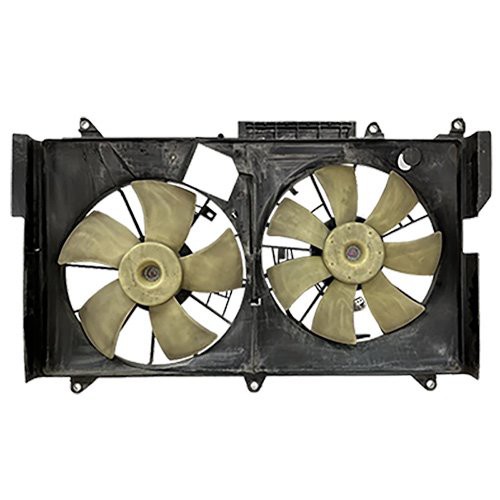

Fan
The fan is an important part of the radiator. Its function is to increase the airflow for the radiator to dissipate the heat faster. Today's cooling fans usually use DC motors, ball bearings and PWM speed control technology, which can provide better heat dissipation and lower noise.
Bracket
The bracket is a fixed component in the radiator. Its function is to firmly fix the radiator to the motherboard and prevent the radiator from shifting or shaking when moving or operating. Modern radiator brackets usually adopt screw and bayonet designs for easy installation and removal, making it easier for users to replace and repair radiators.
How to Choose Radiator Fan For Lexus
Push vs Pull
Electrical fans can either push air through the radiator or pull air through it. A pusher fan sits in front of the radiator. When a vehicle is moving, a pusher fan can obstruct airflow due to its positioning in front of the radiator. A puller fan on the other hand sits right behind the radiator. It pulls air through the radiator and has less impact on airflow at high speeds than a pusher fan since it is behind the radiator. Puller fans provide more cooling capacity than pusher fans. The determining factor on whether to use a puller fan or a pusher fan is the amount of room you have. Always choose a puller fan but if space is an issue then use a pusher fan.
Diameter
When it comes to diameter, you should get a fan that covers as much of the radiator core as possible. Measure the area with the existing fan and shroud removed to find out how much room you have to work with. Larger fans will keep your car idling in the heat for longer period of time without overheating. Always allow some clearance between the fan motor and engine, you do not want these parts touching each other.
Single or Dual Fans
Most of the time a single fan is all you need but if you have added a much larger engine or are making big horsepower, then you may want dual fans to maximize the amount of airflow. If you’re not having a problem with overheating, then a single fan will suffice but if you have made significant upgrades such as a turbo or supercharger then dual fans will help provide the additional airflow needed.
Straight Fan Blades and Curved Fan Blades
Straight and curved fan blades come down to a difference in noise versus airflow. Straight blades move more air but are noisy. On the other hand curved blades are quieter but don’t move as much air so it all depends on your application. If you desire a more quiet fan then the curved is the way to go but if you need all airflow possible, go for the straight blades.
Fan Shroud
To get maximum airflow through your radiator core, you should use a fan shroud. A fan shroud ensures that air is moving through the radiator core and not around it. A radiator is useless without airflow, a fan shroud helps direct air through the core. Make sure you use one in your vehicle.
Follow manufacturer instructions
It is essential to consult the manufacturer's instructions when installing or maintaining your radiator fan. Each fan may have unique requirements or recommendations necessary for optimal performance.
Ensure proper fitment
Ensure the radiator fan fits appropriately in the available space without obstructing other components. Measure the space and choose a fan that fits comfortably.
Secure mounting
Properly secure the fan using the provided mounting brackets or hardware. Ensure that the fan is securely fastened to prevent excessive vibrations or movement.We've seen it when customers have used cheap through pins and completely ruined radiator cores, so this step is essential.
Connect electrical wiring correctly
If installing an electric fan, ensure the electrical wiring is connected correctly. Follow the wiring diagram provided by the manufacturer to avoid any electrical issues.
Inspect for damage
It's important to regularly check the fan blades, motor, and wiring for any damage or wear. If you notice worn-out or damaged components, replace them to ensure everything works properly.
Check coolant levels
Ensure that the coolant levels are adequate and the coolant system is free from leaks. Low coolant levels or leaks can affect the cooling efficiency of the radiator fan.By following these tips, you can ensure proper installation and maintenance of your radiator fan, leading to optimal cooling performance and extended lifespan.
Symptoms of a Bad or Radiator Fan For Lexus
The cooling fan will not come on
The common and obvious symptom is when the cooling fan not working when the engine ignition is on. This problem often occurs from the fan’s motor or the electrical connection of the system. when this happens, overheating takes place as the hot coolant will not be properly cooled. Drivers often notice this issue when they did not hear the component sound when the car ignition is on.
Blown fuse
Most vehicle electrical components work with a circuit fuse which a cooling fan is among. If this fuse has blown or burned, the cooling fan motor stops working, which is one of the common ways that disconnect the device. Sometimes, failing or surging of the motor will cause the fuse to blow so that other components will be prevented from damage. The fuse must be replaced to bring the cooling fan back to life.
Vehicle overheating
This is another common sign of a faulty radiator cooling fan; the engine begins to overheat since the source cooling is down. This also occurs when the cooling fan motor burns out or the fan is disabled. The motor is what spins the blades to push or pull air through the radiator. So, if the motor fails or is weak the blade will not spin or generate enough air to cool the hot coolant.
Our Factory
Danyang Hongjiang Electric Co.,Ltd,which was originally built in 1995,is a specialized company in the development, manufacture and distribution of various heater assemblies and electric fan assemblies.Our company has two injection molding workshops, two motor assembly workshops and one assembly workshop.The blades, motors and shrouds of our products are all made by ourselves.At present, our production capacity can reach 1000 pieces per day.At present, the company has been able to produce more than 600 different types of electronic fan assemblies, covering most products of more than 30 internationally renowned automobile companies, including GM, Opel, Fiat, Toyota, Honda, Mazda, Mitsubishi, Hyundai and Kia,etc.


FAQ
As one of the most professional radiator fan for lexus manufacturers in China, we're featured by high quality products and good service. Please rest assured to wholesale cheap radiator fan for lexus in stock here from our factory. Also, free sample is available for quality checking.
16711 31600, radiator fan for LEXUS RX350, High Quality radiator fan for IS250 350 2014Popular Products