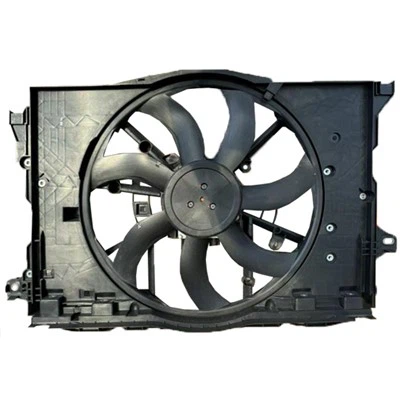
Automotive radiator cooling fans may appear to be simple components, but behind every fan assembly is a complex global supply chain. From raw materials and motor production to international distribution and aftermarket sales, multiple layers of suppliers and logistics partners work together to deliver cooling fans to repair shops and distributors worldwide.
For procurement managers and automotive parts distributors, understanding how radiator fans move through this supply chain can help identify reliable suppliers, reduce sourcing risks, and maintain stable inventory.
This article explores the key stages of the global radiator fan supply chain and how cooling fans ultimately reach the aftermarket.

Raw Materials and Component Suppliers
The production of radiator cooling fan assemblies begins with several critical upstream components.
Typical radiator fan assemblies include:
electric fan motors
plastic fan blades
fan shrouds
wiring harnesses
electronic control modules (for some models)
The raw materials used in these components include:
copper for motor windings
engineering plastics such as PA66 with glass fiber for fan blades and shrouds
steel for motor shafts and structural parts
electronic components for control circuits
Many of these materials are sourced through specialized suppliers within automotive manufacturing clusters. In major production regions such as the Yangtze River Delta in China, these suppliers are located close to radiator fan manufacturers, allowing factories to reduce transportation time and control production costs.
Motor Manufacturing: The Core of Cooling Fan Performance
The electric motor is the most critical component in a radiator fan assembly.
Motor manufacturers produce key internal components including:
rotor assemblies
stator windings
bearings
commutators or electronic controllers
The quality of these components directly affects:
fan lifespan
noise levels
electrical efficiency
resistance to heat and vibration
Many radiator fan manufacturers either produce motors in-house or maintain long-term partnerships with specialized motor suppliers to ensure consistent quality and supply stability.
Fan Blade and Shroud Production
While the motor drives the system, the aerodynamic performance of the cooling fan depends largely on the design of the fan blades and shroud.
Fan blades are typically manufactured through injection molding, using reinforced engineering plastics to achieve the necessary strength and heat resistance.
The shroud is equally important because it directs airflow through the radiator. Without a properly designed shroud, airflow efficiency can drop significantly.
Manufacturers often perform aerodynamic testing and balancing procedures to ensure the fan assembly operates smoothly at high rotational speeds.
Assembly and Quality Testing
Once all components are prepared, they are assembled into complete radiator fan units.
A typical assembly process includes:
motor installation
blade mounting
wiring integration
shroud installation
dynamic balancing
Before shipment, reputable manufacturers perform several quality checks, such as:
vibration testing
noise testing
airflow performance testing
electrical performance testing
These tests help ensure that each fan assembly meets the performance expectations of the aftermarket.
International Export and Logistics
After production, radiator fan assemblies enter the global logistics network.
Manufacturers ship products through international freight channels such as:
sea freight containers
consolidated cargo shipments
regional distribution warehouses
Large distributors often place bulk orders to maintain inventory and reduce per-unit shipping costs.
Because cooling fans are relatively large components, efficient packaging and container optimization are important factors in managing logistics costs.
Distribution Networks and Aftermarket Sales
Once radiator fans arrive in the destination market, they move through several possible distribution channels.
Typical aftermarket distribution structures include:
| Distribution Stage | Role |
|---|---|
| Importer / master distributor | Imports and manages inventory |
| Regional wholesalers | Supply parts to local markets |
| Retail auto parts stores | Sell parts to repair shops and vehicle owners |
| Repair workshops | Install replacement parts |
Some distributors also supply parts to fleet maintenance companies or dealership service centers.
This multi-layer distribution network allows radiator fans produced in one country to reach repair shops around the world.
Why Supply Chain Stability Matters for Buyers
For automotive parts distributors, supply chain stability is just as important as product quality.
Reliable suppliers help distributors avoid:
stock shortages during peak seasons
unexpected production delays
inconsistent product performance
Manufacturers with stable upstream suppliers, strong production capacity, and export experience are generally better positioned to support long-term aftermarket partnerships.
From Manufacturing to Global Markets
The global radiator fan supply chain reflects the broader structure of the automotive aftermarket industry. While engineering and design may originate in different regions, large-scale production and aftermarket supply are increasingly concentrated in specialized manufacturing hubs.
Understanding how radiator fans move from factory to aftermarket helps buyers make more informed sourcing decisions and build stronger supplier relationships.
A Note from the Manufacturer
At Hongjiang Electric, we have been manufacturing automotive radiator cooling fan assemblies for global aftermarket customers for many years.
Our production system integrates:
stable upstream component suppliers
precision manufacturing processes
strict quality control procedures
This allows us to support distributors and repair networks with reliable cooling fan solutions and consistent supply.
👉 If you are interested in learning more about the global radiator fan industry, you may also find our related guide helpful:
Where Are Radiator Fans Made? A Global Manufacturing Overview