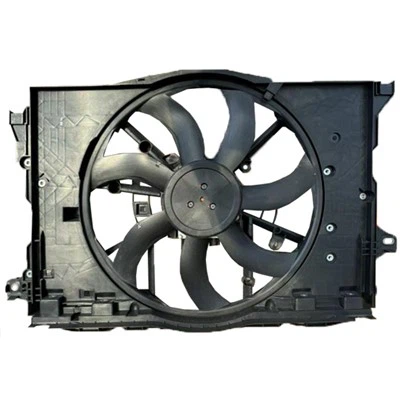
Here's a fun, interactive quiz to help you figure out the best radiator fan for your car!
Answer the questions and see what kind of fan aligns with your needs and preferences.
Radiator Fan Finder Quiz!

What's your vehicle's cooling challenge?
A. The engine struggles to stay cool in heavy traffic or during long idling sessions.
B. Maximum cooling performance is desired for a modified engine.
C. The current fan is old, and a reliable replacement is needed for everyday driving..
D. Improving fuel efficiency and reducing fan noise are desired.
What kind of space is available between the radiator and engine?
A. Plenty of room is available! There are a few inches to work with.
B. Not a lot of space is available. Something compact is needed.
C. Unsure, and measurement is needed.
D. Space isn't a primary concern.
Is wiring a new fan into the electrical system acceptable?
A. Yes, basic electrical work is acceptable.
B. A direct replacement that's easy to install is preferred..
C. The amount of wiring needed should be minimized.C..
D. Some electrical work is acceptable if the benefits are worth it.
How important is noise level?
A. Very important. A quiet fan is desired.
B. Not a major factor. Performance is key.
C. Moderately important. A quieter fan than the current one is desired.
D. Some noise is acceptable if it means better cooling.
What's the primary reason for choosing a new fan?
A. To solve overheating problems.
B. To upgrade for higher performance.
C. To replace a broken fan.
D. To improve overall efficiency.
Results:
If the answers were mostly A's:
A fan optimized for cooling efficiency in demanding conditions is likely needed. A puller fan that covers a large area of the radiator and has a high CFM rating is likely a good choice. An electric fan should be considered for better control and efficiency.
If the answers were mostly B's:
Peak performance is likely sought. Focus on finding a fan with a high CFM rating. Both mechanical and electric fans can offer high performance, but electric fans offer greater control and adjustability.
If the answers were mostly C's:
A straightforward replacement that's reliable and easy to install is needed. A fan of the same type (mechanical or electric) as the current one will likely be the easiest option. Pay attention to compatibility and mounting options.
If the answers were mostly D's:
A balance of performance and efficiency is likely desired. An electric fan offers better control and potential for fuel savings. Consider options with features like variable speeds or fan shrouds.

Important Notes:
This quiz is for fun and general guidance only.
Always consult the vehicle's owner's manual or a qualified mechanic for specific recommendations.
When choosing a fan, consider factors like engine size, vehicle type, and driving conditions.
Electric fans require sufficient power from the alternator, especially high-CFM models.
Measure the radiator core and the space available between the radiator and engine to ensure a proper fit.
A fan shroud can significantly improve cooling performance.

Radiator Fan Pro Selector Quiz!
Let's delve deeper with a more advanced radiator fan quiz.
This version will focus on specifics like CFM, fan shrouds, blade configurations, and more, helping users make an even more informed decision.
1. CFM (Cubic Feet per Minute) is the measure of air flow. How important is maximizing CFM for your application?
A. Extremely important. The engine is heavily modified, or maximum cooling in extreme conditions is required.
B. Important. Solid cooling is desired, but not at the expense of excessive noise or electrical load.
C. Moderately important. The goal is to improve cooling performance over the stock fan, but the absolute maximum CFM is not required.
D. Not a primary concern. Reliability and ease of installation are more important.
2. Which best describes the space available between the radiator and the engine?
A. Very limited. A slim profile fan is absolutely necessary.
B. Adequate space. There is some room to work with, but space-saving solutions are still a plus.
C. Plenty of space. A fan with a larger motor or shroud can be accommodated.
D. Unsure. Careful measurement is needed.
3. Considering the noise level, which blade configuration would be preferred?
A. Maximum airflow is prioritized. Straight blades are fine, even if they're a bit louder.
B. A balance of performance and quiet operation is desired. Curved blades are preferred.
C. Noise is a major concern. Some CFM will be sacrificed for a quieter fan.
D. Replacing a mechanical fan is expected and some noise is expected. Performance is more important.
4. Are you planning to install a fan shroud, or does the vehicle already have one?
A. Yes, a shroud is planned or already installed to optimize airflow.
B. Open to installing a shroud if it significantly improves cooling.
C. Not planning to use a fan shroud.
D. Unsure. Further research on fan shrouds is needed.
5. What's the primary motivation for selecting a particular fan?
A. Maximizing cooling performance for a high-output application.
B. Improving overall vehicle efficiency (better fuel economy, reduced drag).
C. Replacing a faulty fan with a reliable, well-performing option.
D. Customizing or upgrading the vehicle's cooling system for a specific purpose.
6. Regarding electrical requirements, what's the preference?
A. Comfortable with the electrical work required for a high-draw electric fan.
B. Prefer a fan with a manageable electrical load that won't strain the charging system.
C. Looking for a simple plug-and-play solution.
D. Need to upgrade the alternator to support a powerful electric fan.

Advanced Results and Recommendations:
Mostly A's: High-Performance Fan: A fan with high CFM output is needed, possibly a large-diameter puller fan with straight blades. Consider a robust electric fan with a dedicated shroud for maximum cooling efficiency. Ensure the electrical system can support the fan's power draw.
Mostly B's: Balanced Performance Fan: Look for an electric fan with a high CFM rating but with curved blades for quieter operation. Consider a fan shroud to improve airflow without significantly increasing noise. This type of fan offers a good balance of cooling and efficiency.
Mostly C's: Quiet and Reliable Fan: Prioritize fans known for low noise levels, likely with curved blades and perhaps a smaller motor. If using an electric fan, focus on models designed for quiet operation. Ensure the fan is compatible with the vehicle and easy to install.
Mostly D's: Application-Specific Fan: The choice depends heavily on the specific application. If there is a heavily modified vehicle, a powerful electric fan might be needed. If the goal is to improve fuel efficiency, an electric fan with a shroud might be the best option. Research specific fan types and configurations based on your needs.

Important Notes:
This deeper quiz provides more specific guidance, but it's still essential to consult the vehicle's specifications and potentially a mechanic for final selection.Always ensure the fan is properly sized for the radiator core and that there's sufficient clearance between the fan and engine.
A fan shroud is highly recommended for optimal cooling performance, especially with electric fans.
If installing an electric fan, verify that the alternator can handle the fan's electrical load.