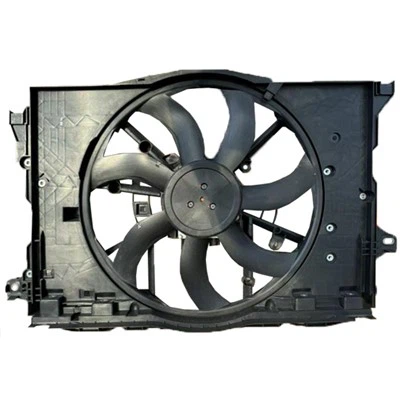
In the realm of automotive cooling systems, the efficiency and performance of cooling fan assemblies are paramount. Manufacturers and bulk buyers alike must pay close attention to two critical components: Motor RPM and blade design. These elements play a significant role in evaluating cooling fan performance, primarily because they directly impact airflow and amp draw. This article aims to guide those looking to bulk purchase auto cooling fans, addressing common concerns and ensuring their orders meet the unique requirements of their cooling systems.

The Significance of Motor RPM
Motor RPM (Revolutions Per Minute) is a crucial factor in determining the effectiveness of a cooling fan. It indicates the speed at which the fan blades rotate, directly influencing the volume of air the fan can move over time. High RPM fans are capable of moving more air, which is essential in dissipating heat efficiently from the engine. However, it's vital to balance RPM with amp draw, as higher RPM fans typically consume more power. Bulk buyers should seek fans that offer an optimal blend of high airflow with minimal electrical load to ensure energy efficiency and prevent overburdening the vehicle's electrical system.
The Role of Blade Design
Equally important is the fan's blade design. The shape, size, and number of blades determine how effectively the fan can move air through the radiator to cool the engine. Advanced blade designs aim to maximize airflow while reducing noise and vibration-a critical consideration for enhancing the driving experience. Moreover, the material of the blades contributes to the fan's durability and performance under different operating conditions.
Evaluating Airflow and Amp Draw
Airflow and amp draw serve as essential metrics for validating cooling fan assemblies. Airflow, measured in CFM (Cubic Feet per Minute), quantifies the volume of air the fan can move, essential for efficient cooling. Meanwhile, amp draw indicates the electrical power the fan requires to operate. An ideal cooling fan assembly balances high airflow with low amp draw, ensuring effective cooling without excessive power consumption.
For bulk buyers in the automotive sector, understanding the intricacies of motor RPM, blade design, airflow, and amp draw is crucial when selecting auto cooling fan assemblies. These components ensure that cooling systems meet the specific requirements of their applications, offering both performance and efficiency.