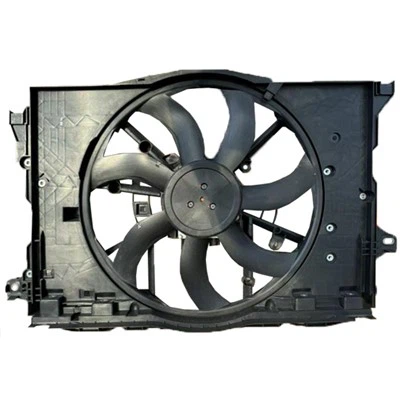
Have you ever wondered what makes your car run cool? Radiator fans are key, but how do you pick the right one?
The best radiator fan depends on your needs. High-amp fans offer powerful cooling, while low-amp fans are more energy-efficient. For high-performance cooling in demanding conditions, go with a high-amp fan. If energy saving is your priority, a low-amp fan is the better choice.

Choosing between a high-amp and low-amp radiator fan can be tricky. So, keep reading, and I will break down the pros and cons of each.
Radiator Fan Drawing Too Many Amps?
Is your radiator fan suddenly pulling more power than usual? This might have you scratching your head.
A radiator fan drawing too many amps usually indicates a problem. This could be due to a failing motor, wiring issues, or even a blockage preventing the fan from spinning freely. Addressing this promptly can prevent further electrical damage.

If your fan is drawing too many amps, think of it like this: your fan is working harder than it needs to. It's like trying to run a marathon with a backpack full of bricks!
First, I would check the fan motor 1 itself. Over time, the motor's components can wear out, causing it to require more power to operate. Also, inspect the wiring connections to the fan. Corroded or loose connections can increase resistance, leading to a higher amp draw.
Another potential issue is a physical obstruction. Debris, such as leaves or dirt, can get lodged in the fan blades, making it harder for the fan to spin. This increases the load on the motor, causing it to draw more amps. I usually check for any visible obstructions and remove them.
If you're comfortable using a multimeter, you can test the fan's amp draw 2. Compare the reading to the manufacturer's specifications. If it's significantly higher, it's a sign of a problem. Remember, it's always best to consult a qualified mechanic if you're unsure how to diagnose or repair the issue yourself. They can accurately pinpoint the cause and recommend the appropriate solution.
[1] Understanding fan motor issues can help you troubleshoot and maintain your fan effectively, ensuring optimal performance.
[2] Learning how to measure amp draw can help you identify electrical issues and improve energy efficiency in your devices.
Why is My Radiator Fan Drawing High Amps?
You might be asking yourself, why is this happening? What's causing my radiator fan to pull so much power?
Several factors can cause a radiator fan to draw high amps. These include a worn-out fan motor, obstructions in the fan blades, or electrical issues like faulty wiring or a bad relay. A failing coolant temperature sensor can also cause the fan to run continuously, increasing amp draw.

Think of your radiator fan as a small engine. Just like any engine, it needs the right conditions to run efficiently. When something is off, it starts to work harder, drawing more power to compensate. A high amp draw is a symptom of an underlying issue.
One common culprit is a failing fan motor1. Over time, the internal components of the motor can degrade, increasing resistance and causing it to draw more current. It's like an old appliance that starts using more electricity as it ages.
Also, check the fan blades for any obstructions. Even a small amount of debris can create extra resistance, forcing the motor to work harder. I make sure the fan blades can spin freely without any restrictions.
Electrical problems can also lead to a high amp draw2. Faulty wiring, such as frayed or corroded wires, can increase resistance and cause the fan to pull more current. A bad relay, which controls the power supply to the fan, can also malfunction and cause the fan to run continuously or draw excessive power. I always advise inspecting the wiring and relay for any signs of damage or corrosion. If you suspect an electrical issue, it's best to consult a qualified electrician.
[1]Identifying a failing fan motor early can save you from costly repairs and ensure your vehicle runs smoothly.
[2]Understanding the causes of high amp draw can help you troubleshoot and maintain your vehicle's cooling system effectively.
Radiator Fan Low Amp Draw: Is It a Problem?
Now, let's flip the script. What if your radiator fan is drawing less power than expected? Should you be concerned?
A radiator fan with a low amp draw might seem like a good thing, but it can indicate a problem. It could mean the fan isn't running at full speed, potentially due to a weak motor, a faulty connection, or a problem with the control circuit. This can lead to inadequate cooling.

A low amp draw can be a sneaky problem because it might not be immediately obvious. Your car might not be overheating, but the cooling system might not be performing as efficiently as it should be. It is like trying to cool your house with a small window fan when you really need an air conditioner.
One possibility is a weak fan motor. Over time, the motor can lose its strength, resulting in reduced fan speed and lower amp draw. Another potential cause is a faulty connection. Loose or corroded connections can restrict the flow of electricity to the fan, limiting its performance.
Also, consider the control circuit that regulates the fan's operation. A malfunctioning temperature sensor or fan control module can prevent the fan from running at full speed. I would check these components to ensure they are functioning correctly.
If you suspect a low amp draw 1, I would start by visually inspecting the fan and its connections. If everything looks okay, use a multimeter to measure the fan's amp draw and compare it to the manufacturer's specifications. If the reading is significantly lower, it's time to investigate further. Again, consulting a qualified mechanic is always a good idea if you're not comfortable troubleshooting the issue yourself.
[1] Understanding low amp draw can help you diagnose cooling system issues effectively, ensuring your vehicle runs smoothly.
Choosing between high and low amp radiator fans depends on your car's needs. High-amp fans offer stronger cooling for demanding conditions. Low-amp fans are more energy-efficient, which is ideal for modern vehicles. Consider your priorities to make the best choice.