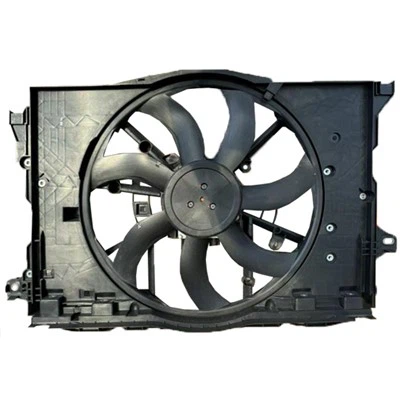
Bad Radiator Fan? What It Means for Fleet Maintenance and Warranty Costs
Fleet operators worry about unexpected breakdowns and rising maintenance expenses. How much does a failing radiator fan really cost your business?
A bad radiator fan can cost fleets thousands in emergency repairs, vehicle downtime, engine damage, and warranty claims, making proactive fan maintenance essential for controlling operational expenses.
Understanding the true cost impact of radiator fan failures helps you make smarter maintenance decisions for your fleet.
What are the immediate costs of radiator fan failure in fleet operations?
When a radiator fan fails, the expenses start adding up quickly. What are the direct costs fleet managers face?
Immediate costs of radiator fan failure include emergency roadside service, towing fees, replacement parts, labor charges, and lost productivity from vehicle downtime, often totaling $500-2000 per incident.
I've seen many fleet managers caught off guard by the cascading costs of a simple fan failure. The immediate financial impact includes:
Emergency service costs typically run $150-300 for roadside assistance, plus towing fees of $200-500 depending on distance. Replacement fan parts range from $80-400, with labor adding another $100-300. But the real cost comes from vehicle downtime.
A delivery truck earning $200-500 daily in revenue sits idle during repairs. If repairs take 2-3 days including parts ordering, lost revenue can exceed $1000 per vehicle.
For larger fleets, multiply these costs by the number of affected vehicles. I've worked with companies where simultaneous fan failures across multiple units created maintenance budget crises.
Here's the breakdown:
| Cost Category | Price Range | Impact Level |
|---|---|---|
| Emergency service | $150-300 | Immediate |
| Towing fees | $200-500 | Immediate |
| Replacement parts | $80-400 | Immediate |
| Labor costs | $100-300 | Immediate |
| Daily revenue loss | $200-500 | Ongoing |
How do radiator fan failures affect engine warranty claims?
Engine overheating from fan failure can trigger expensive warranty disputes. What happens when the cooling system fails and damages the engine?
Radiator fan failures that cause engine overheating often void engine warranties, leaving fleet operators responsible for repair costs that can reach $15,000-25,000 per engine replacement.

Warranty coverage becomes complicated when cooling system failures damage engines. Most engine manufacturers require proof of proper maintenance and functioning cooling systems.
When a radiator fan fails and causes overheating, the resulting engine damage often falls outside warranty protection. Manufacturers argue that preventable cooling system failures constitute neglect or improper maintenance.
Common warranty-voiding scenarios include:
Blown head gaskets: Cost $2,000-5,000 to repair
Warped cylinder heads: Require $3,000-8,000 in machine work
Complete engine replacement: Range from $15,000-25,000 including labor
I've helped fleet managers document maintenance records to fight warranty denials, but prevention remains the best strategy. Regular cooling system inspections and proactive fan replacement protect both engines and warranty coverage.
Documentation requirements for warranty protection:
| Documentation Type | Frequency Required | Purpose |
|---|---|---|
| Cooling system checks | Every 30-60 days | Prove preventive care |
| Fan operation tests | Monthly | Show component monitoring |
| Maintenance records | All services | Demonstrate proper care |
| Temperature logs | Daily operations | Track cooling performance |
What preventive maintenance strategies reduce radiator fan costs?
Smart maintenance planning can prevent expensive fan failures. What maintenance approach gives the best return on investment?
Implementing scheduled fan inspections, temperature monitoring, and proactive replacement at 80,000-100,000 miles reduces emergency repairs by 75% and cuts overall cooling system costs significantly.

My experience with fleet maintenance shows that proactive strategies deliver impressive cost savings. Effective preventive programs include:
Scheduled inspections: Monthly visual checks for blade damage, unusual noise, or loose mounts catch problems early. These 15-minute inspections cost $25-50 in labor but prevent $1,000+ emergency repairs.
Temperature monitoring: Installing temperature sensors or using diagnostic tools to track cooling performance identifies failing fans before complete failure. Digital monitoring systems cost $200-500 per vehicle but pay for themselves with the first prevented breakdown.
Proactive replacement: Replacing fans at predetermined mileage intervals (typically 80,000-100,000 miles) eliminates roadside failures. While this increases upfront costs, it reduces total cooling system expenses by 30-50%.
Driver training: Teaching drivers to recognize overheating symptoms and fan operation helps catch problems during daily inspections.
Cost comparison over 3 years:
| Maintenance Strategy | Upfront Cost | Emergency Repairs | Total 3-Year Cost |
|---|---|---|---|
| Reactive only | $0 | $3,000-8,000 | $3,000-8,000 |
| Basic inspections | $300 | $1,000-2,000 | $1,300-2,300 |
| Full preventive | $800-1,200 | $200-500 | $1,000-1,700 |
How do bulk purchasing and vendor relationships impact fan replacement costs?
Smart procurement strategies can significantly reduce radiator fan costs for large fleets. How can better vendor relationships save money?
Establishing bulk purchasing agreements and strategic vendor partnerships can reduce radiator fan costs by 25-40% while improving parts availability and warranty terms for fleet operations.

Working with fleet customers has taught me the power of strategic purchasing. Successful cost reduction strategies include:
Bulk purchasing agreements: Ordering 50-100 fans annually unlocks volume discounts of 25-35% off retail prices. A fan costing $200 retail might cost $130-150 through bulk agreements.
Preferred vendor relationships: Establishing partnerships with quality manufacturers like us at Hongjiang Electric provides benefits beyond price. We offer extended warranties, priority technical support, and guaranteed parts availability.
Standardization programs: Using the same fan models across multiple vehicle types reduces inventory complexity and increases purchasing power. Instead of ordering 10 different fan types, standardizing to 3-4 models amplifies volume discounts.
Performance guarantees: Quality suppliers offer performance warranties that protect against premature failures. Our fans include 24-month warranties compared to 12-month industry standards.
Partnership benefits comparison:
| Partnership Level | Price Discount | Warranty Period | Support Level |
|---|---|---|---|
| Retail purchasing | 0% | 12 months | Basic |
| Volume agreements | 15-25% | 18 months | Enhanced |
| Strategic partnership | 25-40% | 24+ months | Priority support |
Conclusion
Bad radiator fans create cascading costs through emergency repairs, warranty voids, and downtime. Smart preventive maintenance and strategic purchasing partnerships dramatically reduce these fleet expenses