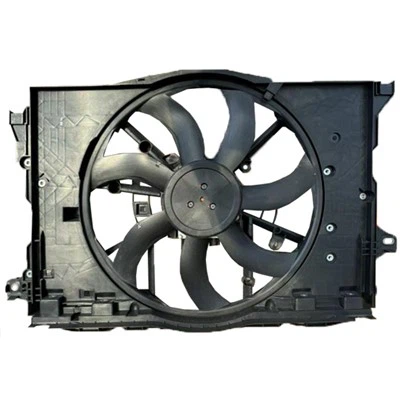
Ever wondered how your car avoids overheating? The radiator fan plays a big part! So, how does it work?
The radiator fan pulls air through the radiator. This cools the engine coolant. The cooled coolant then goes back to the engine, keeping it from overheating. It's a simple but vital cooling process.

Want to understand more about this process? Let's dive into the details.
What triggers the radiator fan to turn on?
What tells the fan to start spinning? Is it automatic? So, what triggers the radiator fan?
A temperature sensor triggers the fan. When the engine coolant gets too hot, the sensor tells the fan to turn on. This keeps the engine at the right temperature. It's all about managing heat.

The temperature sensor is the key to the radiator fan's operation. This sensor is usually located in the engine block or near the thermostat housing. It's designed to monitor the temperature of the engine coolant and send a signal to the car's computer or to a relay that controls the fan.
When the coolant temperature reaches a certain threshold, typically around 195-220 degrees Fahrenheit, the temperature sensor sends a signal that activates the fan. The fan then starts spinning, drawing air through the radiator and cooling the coolant.
The specific temperature at which the fan turns on can vary depending on the car's make and model. Some cars have a single-speed fan, while others have a variable-speed fan that can adjust its speed based on the engine's temperature.
In some newer cars, the car's computer also takes into account other factors, such as the car's speed and the air conditioning system, when deciding whether to turn on the radiator fan.
Here's a table summarizing the activation process:
| Step | Description |
|---|---|
| 1. Engine Heats Up | Engine produces heat, warming the coolant |
| 2. Sensor Detects Heat | Temperature sensor monitors coolant temperature |
| 3. Signal is Sent | Once a threshold is reached, a signal is sent to the fan |
| 4. Fan Activates | Radiator fan begins to spin, drawing air across the radiator for cooling |
What stops a radiator fan from working?
Fan not spinning? Engine getting hot? So, what stops a radiator fan?
A blown fuse, a bad relay, or a faulty temperature sensor can stop the fan. Also, a broken fan motor or wiring problems can prevent it from working. These issues cut off power or disrupt the fan's operation.

There are several reasons why a radiator fan might stop working. The most common causes include:
Blown Fuse: The radiator fan is protected by a fuse in the car's electrical system. If the fuse blows, the fan will not receive power.
Bad Relay: The relay is an electrical switch that controls the flow of power to the fan. If the relay fails, the fan will not turn on.
Faulty Temperature Sensor: The temperature sensor tells the fan when to turn on. If the sensor is faulty, it may not send the correct signal, preventing the fan from working.
Broken Fan Motor1: The fan motor is responsible for spinning the fan blades. If the motor is broken, the fan will not turn on.
[1]Recognizing the signs of a broken fan motor can save you time and money on repairs by addressing issues early.
Wiring Problems: Damaged or corroded wiring can prevent the fan from receiving power.
To diagnose the problem, start by checking the fuse. If the fuse is blown, replace it with a new fuse of the same amperage. If the fuse is not blown, check the relay. You can test the relay by swapping it with another relay in the car. If the fan still does not work, check the temperature sensor and the fan motor.
How to check if a car radiator is working?
Want to make sure your radiator is doing its job? It's important to check. So, how do you check?
Check the engine temperature gauge. If it's higher than normal, the radiator might not be working right. Also, feel the radiator. If it's not hot when the engine is warm, there might be a problem. Watch for leaks too.

Checking if your car radiator is working properly is essential for preventing overheating and potential engine damage. Here are a few steps you can take:
Check the Engine Temperature Gauge1: The engine temperature gauge on your car's dashboard provides a visual indication of the engine's temperature. If the gauge is consistently reading higher than normal, it could be a sign that the radiator is not working effectively.
[1]Understanding the role of the Engine Temperature Gauge can help you prevent overheating and engine damage. Explore this resource for detailed insights.
Feel the Radiator: After the engine has warmed up, carefully feel the radiator. It should be hot to the touch. If it is cold or only lukewarm, it could indicate a problem with the radiator's ability to transfer heat.
Look for Leaks: Inspect the radiator and the surrounding hoses for any signs of leaks. Leaks can reduce the amount of coolant in the system, which can lead to overheating.
Check the Coolant Level2: Make sure that the coolant level in the radiator and the coolant reservoir is at the proper level. Low coolant levels can reduce the radiator's ability to cool the engine.
If you notice any of these signs, it's important to have your car inspected by a qualified mechanic. They can diagnose the problem and recommend the appropriate repairs.
[2]Learning how to check the coolant level is crucial for maintaining your car's radiator and preventing overheating. Discover expert tips here
Conclusion
The radiator fan is key to cooling. Know how it works, what triggers it, and how to check it. This keeps your engine running smoothly.